Alkalinity Controllers - Oil & Gas

Improve your drilling fluid stability and chemical efficiency with alkalinity controllers designed to regulate pH and alkalinity in demanding field conditions.

Products you selected

    Request A Quote
    Filter by:

    Alkalinity Controllers for the Oil & Gas Industry

    Control alkalinity and pH with confidence across drilling fluid and water systems used in oil and gas operations. Alkalinity controllers are designed to help regulate the addition of acids and alkalis, such as caustic soda, lime, magnesium oxide, and buffering agents, to maintain stable chemistry and consistent fluid performance.

    In most field programs, controllers automate chemical feed based on real-time pH measurement, and, where applicable, alkalinity analysis, to help maintain a stable treatment range. By automating chemical feed based on real-time measurements, alkalinity controllers help reduce over-treatment, protect equipment, and support drilling fluid stability in variable field conditions.

    Typical Applications for Di-Corp’s Alkalinity Controllers

    • Oilfield drilling fluid systems
    • Clear water and polymer drilling operations
    • Cement contamination response
    • Support for cement contamination treatment programs
    • pH and alkalinity adjustment during fluid conditioning
    • Support for acid and alkaline chemical programs
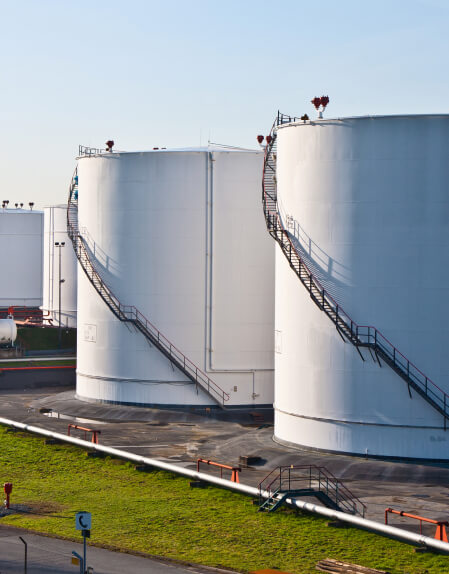
    White cylindrical oil/chemical storage tanks with spiral staircases under a blue sky.
    PRODUCT SUPPLY

    Our Alkalinity Controller Supply

    Maintain stable pH and alkalinity throughout your oil and gas drilling fluid and water systems with our alkalinity controllers. Our controllers automate the controlled addition of alkalinity control additives, helping you regulate acids and alkalis in fluids where changing conditions can quickly impact chemistry and performance.

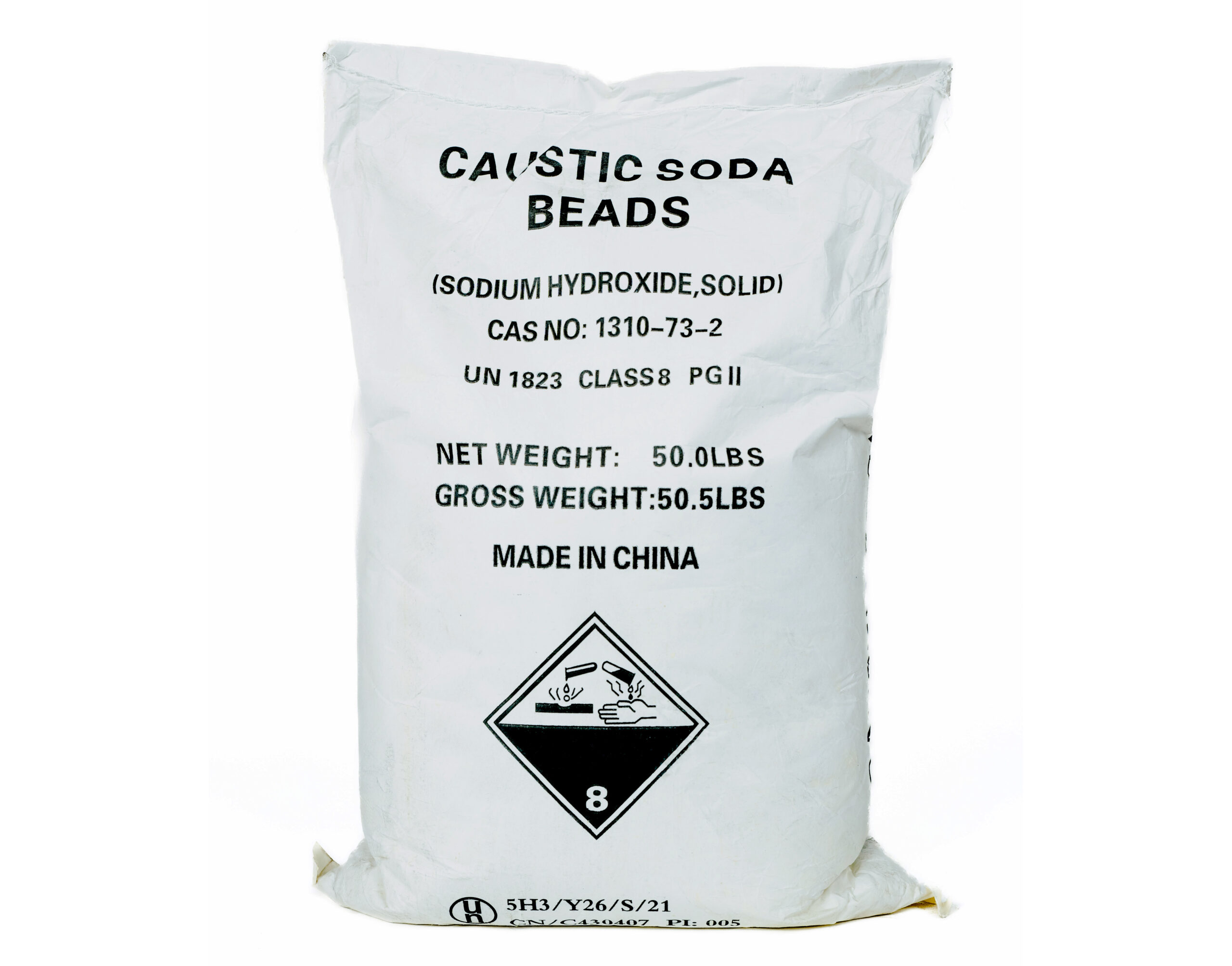
    Caustic Soda Beads

    Caustic Soda Beads Caustic soda beads (sodium hydroxide (NaOH)) are strong alkalis used to increase the alkalinity and pH of the liquid phase. The type of drilling fluid and the additives used can influence how much caustic soda is required to achieve a desired pH level. Refer to the chart below for product-specific guidelines. Note: […]

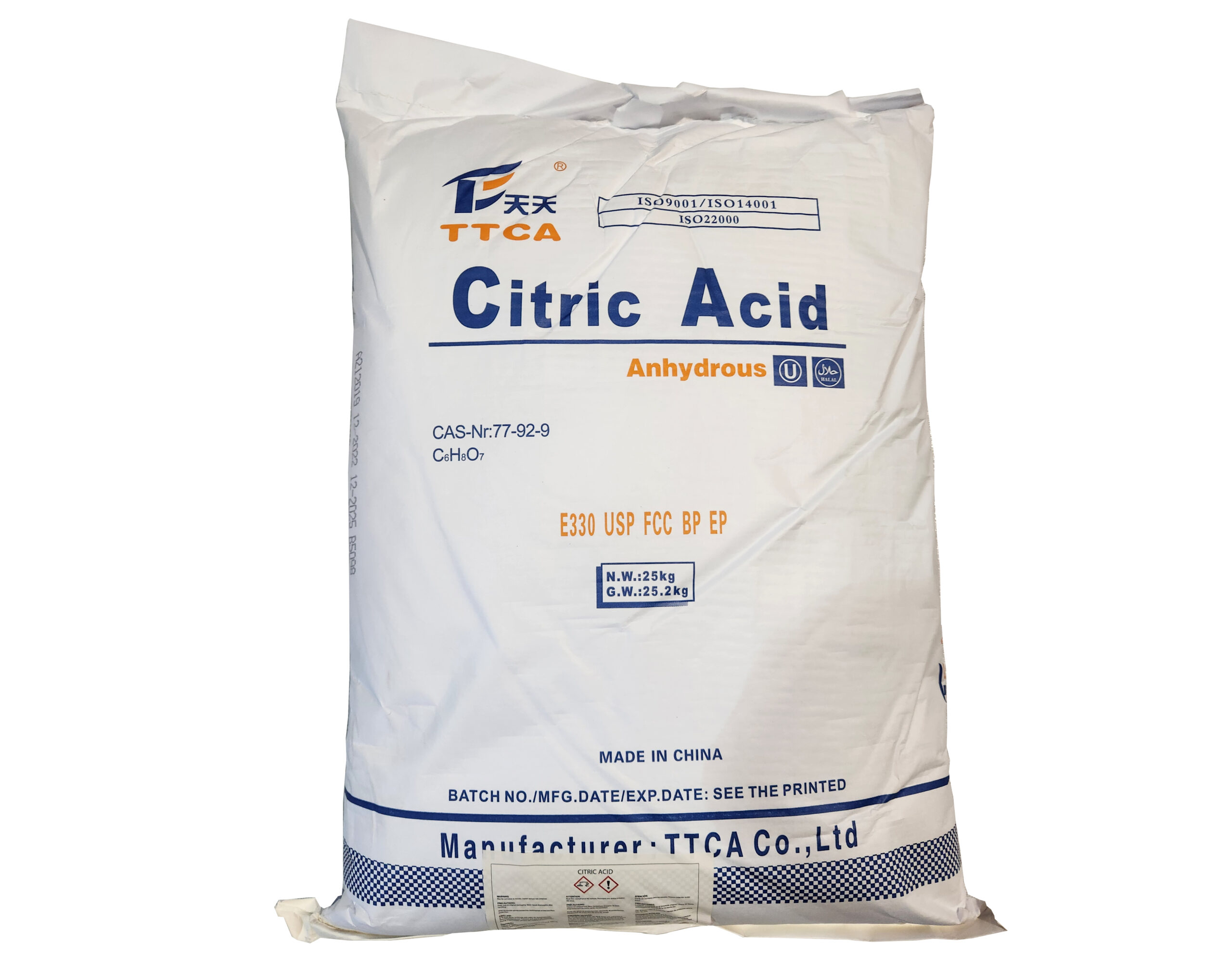
    Citric Acid

    Citric acid is frequently used in drilling chemicals and acid systems, where it helps prevent the precipitation of gelatinous ferric hydroxide as the acid spends, an important factor in corrosion control for drilling fluid systems. Acting as a sequestering agent, citric acid can keep as much as 3000 mg/L of ferric iron in spent acid solutions for over 4 hours at temperatures above 80°C.
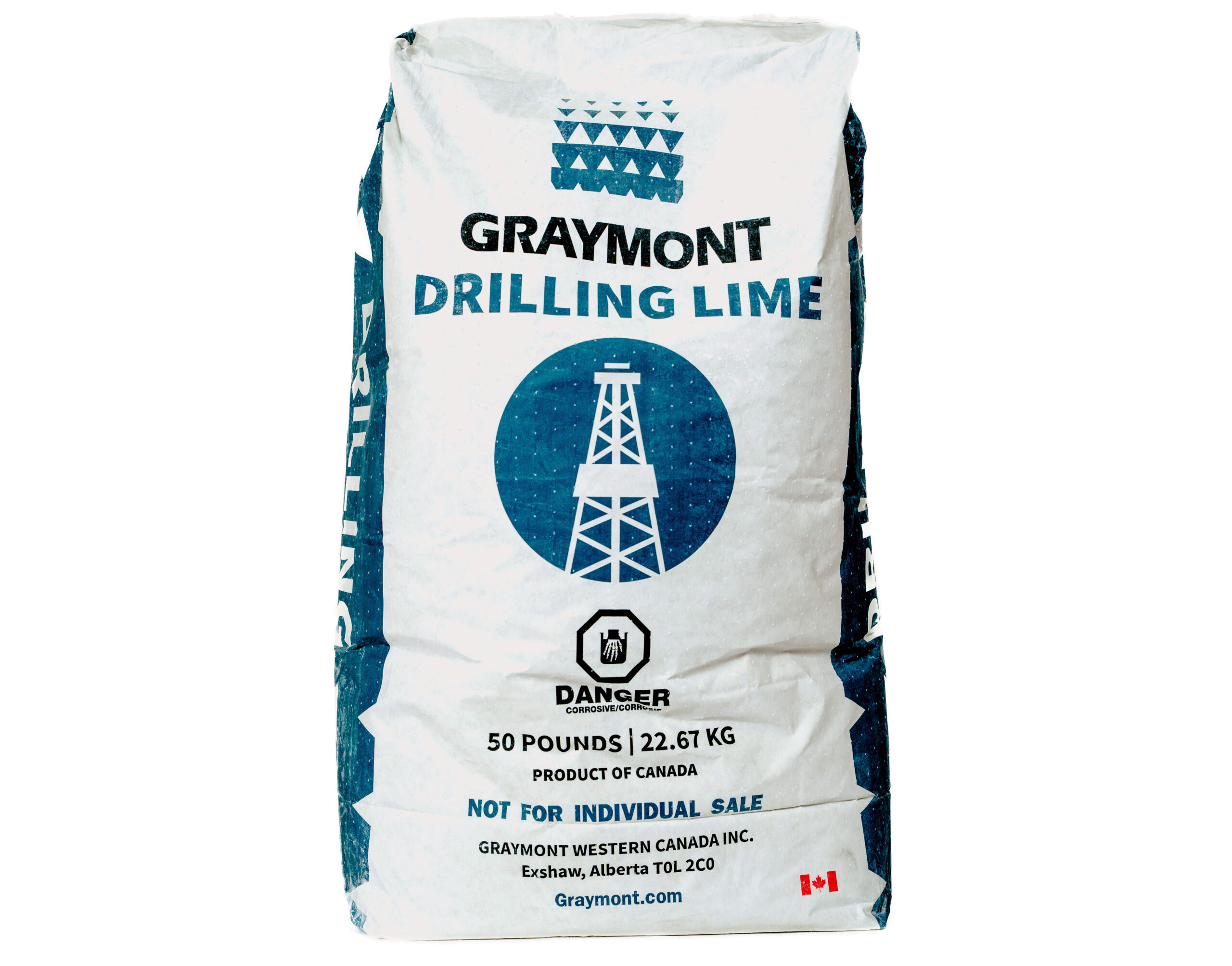
    Hydrated Lime

    Hydrated lime (calcium hydroxide) is a dry powder used to raise pH in various industrial applications, including clear water drilling. Hydrated lime, otherwise known as slack lime, builders lime, or pickling lime, is made from a mixture of quicklime and water. In clear water drilling, hydrated lime is added to the sump water to increase […]

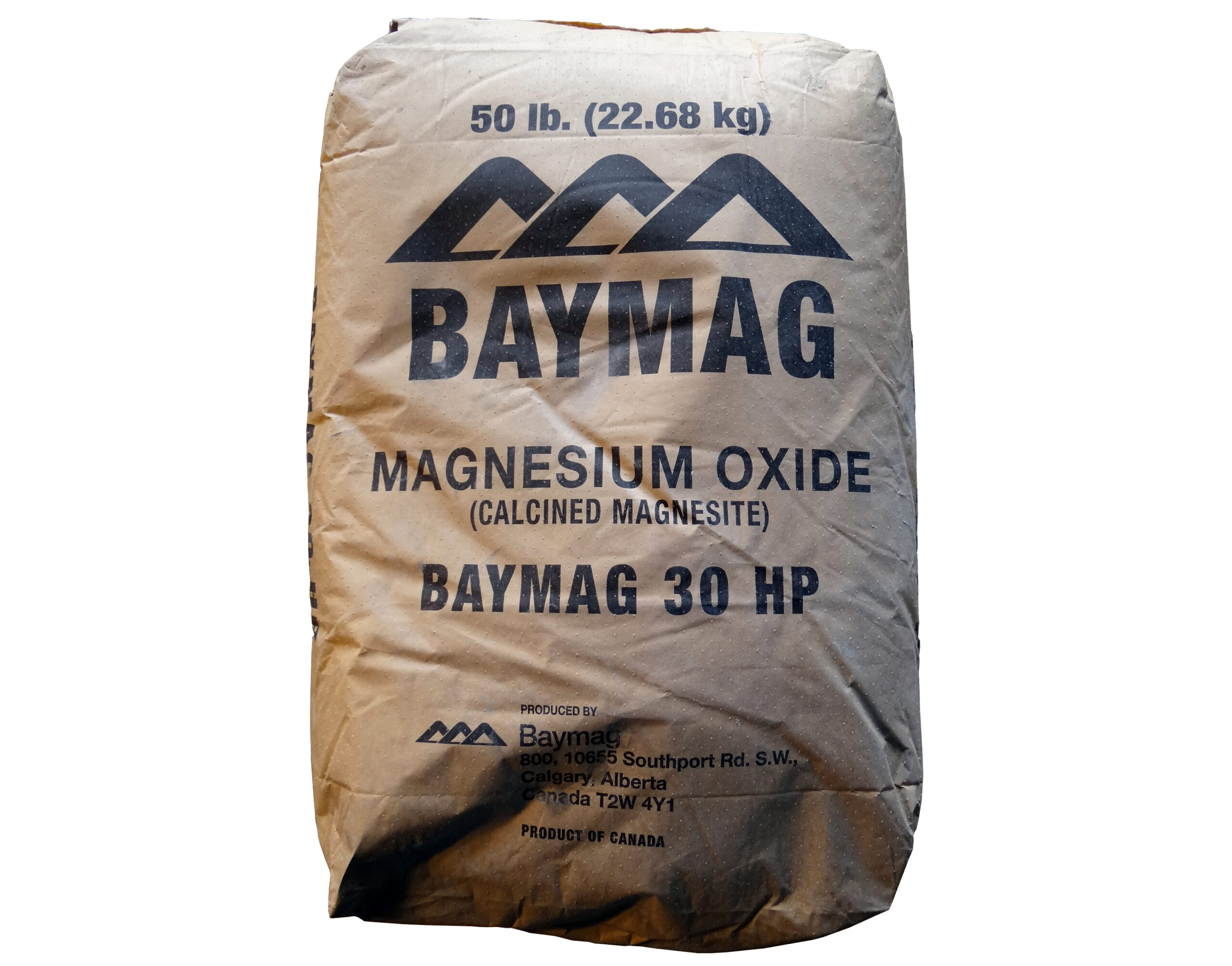
    Magnesium Oxide

    Magnesium Oxide can be used as a substitute for lime as a coagulant in clear water drilling and for alkalinity control in polymer systems where a high pH (above 11.0) is undesirable. Any undissolved excess Magnesium Oxide will continue to dissolve at a slow rate to maintain a constant pH level of 10.7. Magnesium Oxide […]

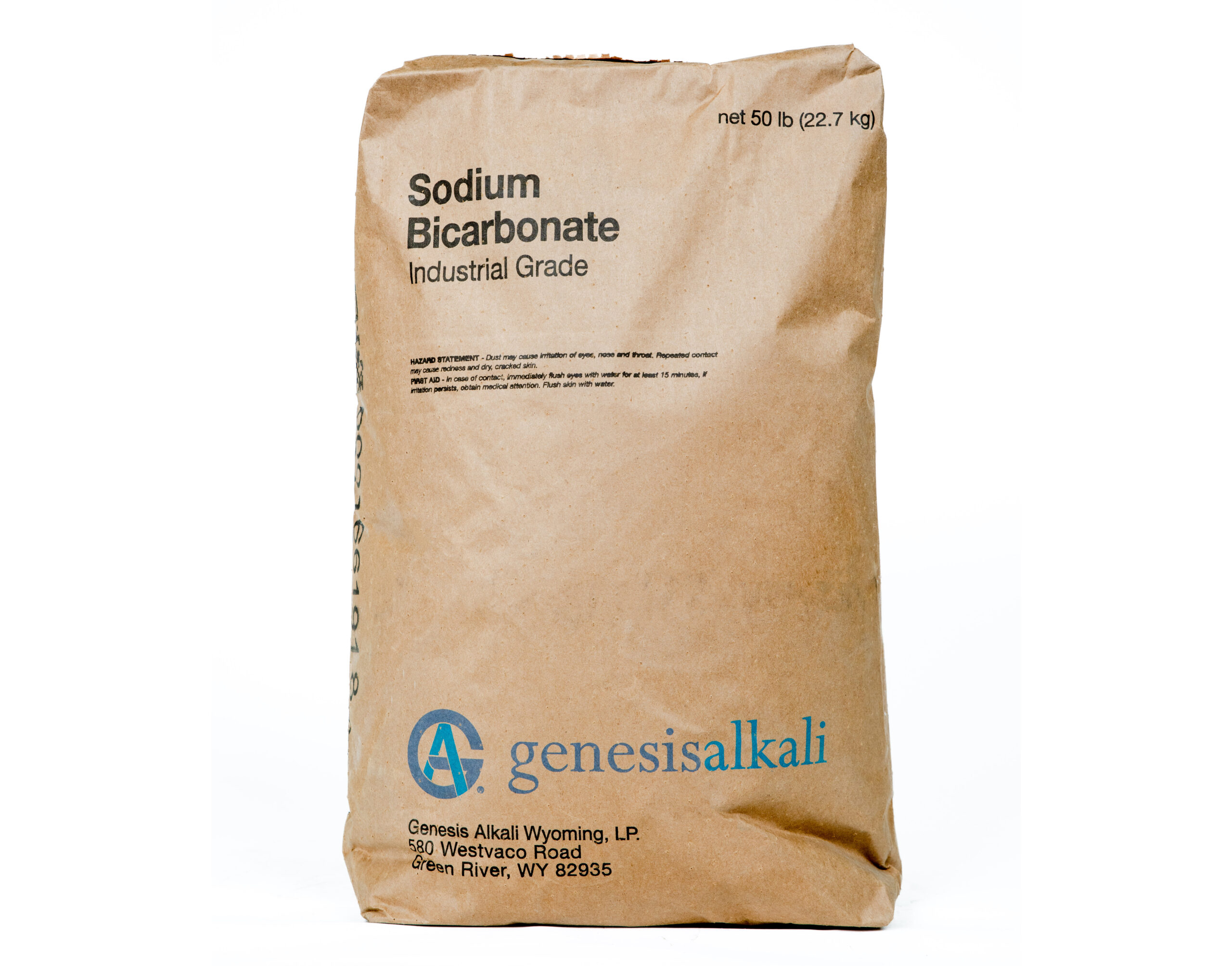
    Sodium Bicarbonate

    Sodium bicarbonate (NaHCO₃), also known as Bi-Carb, baking soda, or bicarbonate of soda, is used in drilling fluids to address cement contamination. It works by precipitating calcium as calcium carbonate and lowering the pH. Because it provides an available H⁺ ion, it can reduce the pH of any drilling fluid with a pH above 8.5. When used as a pre-treatment, sodium bicarbonate helps control cement contamination and supports the overall drilling fluid stability.
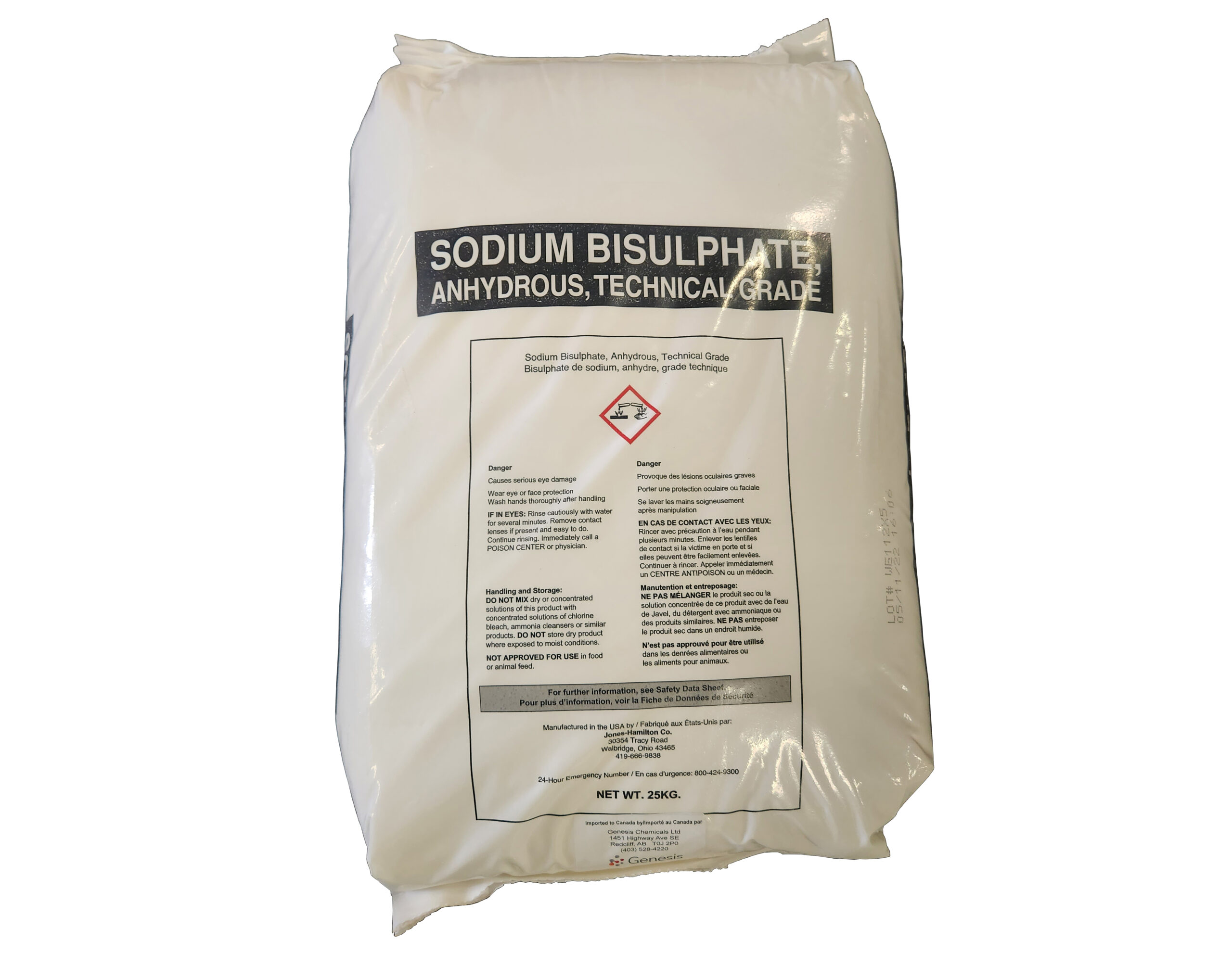
    Sodium Bisulfate

    Sodium Bisulfate is an effective alternative to sulfamic acid or citric acid for lowering the pH of…
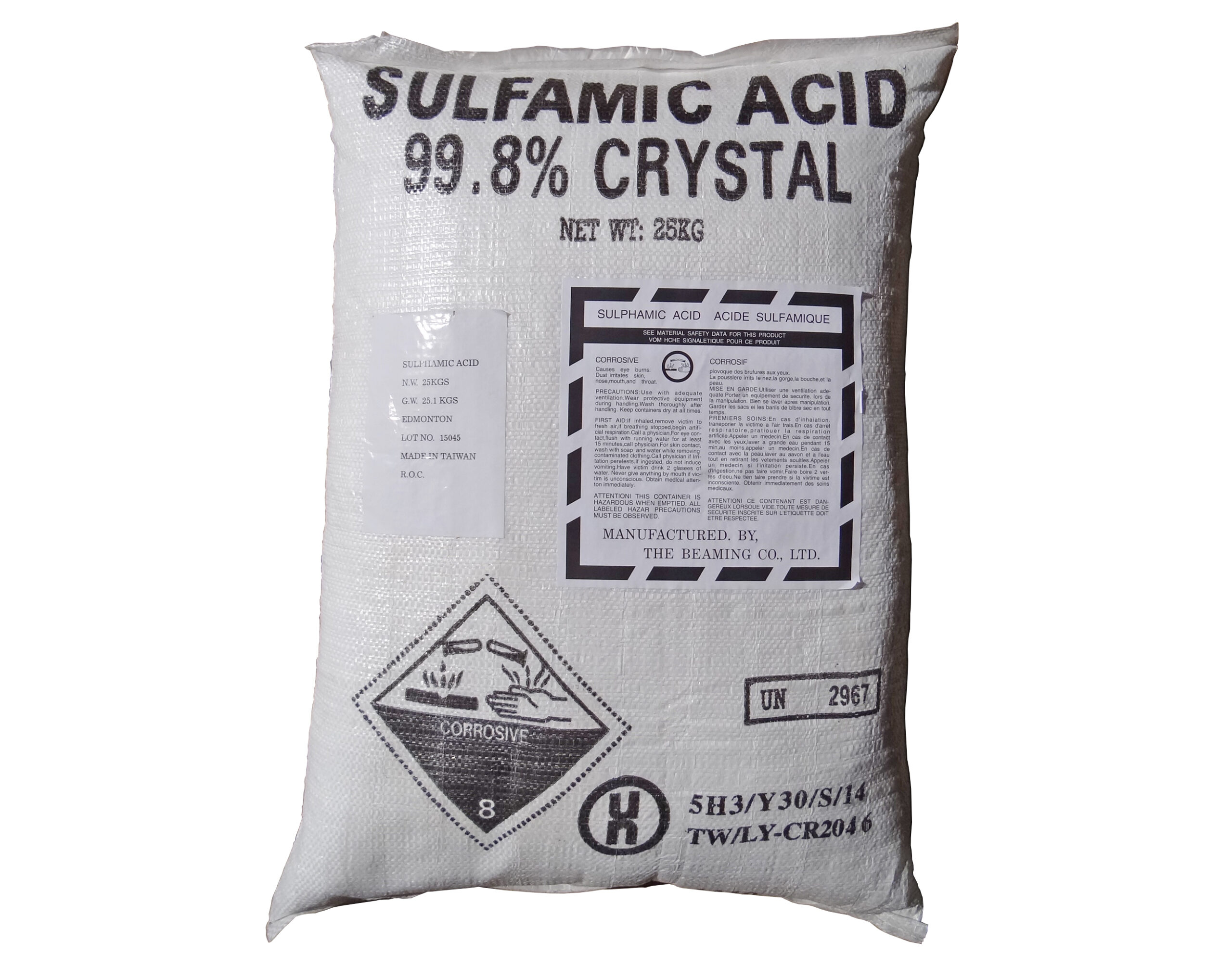
    Sulfamic Acid

    Sulfamic Acid, otherwise known as amidosulfonic acid or amidosulfuric acid, is a dry, non-volatile, non-hygroscopic, stable solid. It is soluble in water and forms a strongly acidic aqueous solution comparable in acidity to the common strong mineral acids, but it can be safely handled and stored in its dry form. Sulfamic Acid is used to […]

    LEADING MANUFACTURER

    Why Choose Di-Corp

    Strengthen your alkalinity control with a supplier that understands drilling fluid chemistry, field logistics, and oil and gas operations.

    Oil and Gas Drilling Fluid Experts

    Support your alkalinity control with our experts who understand drilling fluid chemistry and how pH and alkalinity affect performance in the field. Connect alkalinity controllers with the acids, alkalis, and buffering agents used in oilfield systems, so chemical additions stay consistent, controlled, and aligned with your fluid program.

    Warehouses Across North America

    Access alkalinity controllers, chemical supplies, and essential supporting components through our network of warehouses across North America. You can keep your operations moving by relying on our robust supply chain and established sales support built to help you get what you need, where you need it, whether it’s planned supply or an urgent request.

    Robust Quality Management

    Maintain reliability and safety by sourcing equipment and products managed through our established quality practices across manufacturing, handling, and logistics. You can depend on us to adhere to a Quality Policy registered to the ISO 9001 Standard, supporting consistent performance, dependable delivery, and responsible product stewardship.
    Frequently Asked Questions

    What are alkalinity controllers used for?

    Alkalinity controllers are used to regulate chemical addition in oil and gas fluid systems, helping maintain stable alkalinity and pH. In many applications, this is achieved by controlling chemical feed based on real-time pH measurement, and, where applicable, alkalinity analysis. Alkalinity controllers support consistent treatment when alkalinity control additives are used in drilling fluid and water-based systems.

    What alkalinity control additives are commonly used with alkalinity controllers?

    Alkalinity controllers are commonly used with alkalinity control additives such as caustic soda, hydrated lime, magnesium oxide, sodium bicarbonate, and acid-based products. The specific additive depends on the drilling fluid system and the target alkalinity range.

    Which oil and gas applications use alkalinity controllers?

    Alkalinity controllers are used in oilfield drilling fluid systems, clear water drilling operations, polymer systems, and other applications where controlled alkalinity is required to support fluid stability and performance.

    How are alkalinity controllers selected for an application?

    Alkalinity controllers are selected based on the fluid type, dosing method, required control range, site conditions, and the alkalinity control additives being used. Proper selection helps ensure reliable operation and consistent chemical control.

    What other oilfield drilling fluid products does Di-Corp offer?

    In addition to alkalinity controllers, Di-Corp supplies a comprehensive range of oilfield drilling fluid products to support pH control, fluid stability, contamination management, and overall drilling performance, including:

    These products are used across water-based and polymer drilling systems to help maintain fluid properties, manage contaminants, protect equipment, and support consistent performance in changing field conditions.

    Learn More About Our Drilling Equipment & Supplies

    Supporting oil and gas operations, Di-Corp supplies alkalinity controllers designed to help maintain stable pH and alkalinity when using alkalinity control additives in drilling fluid systems. Connect with our team to discuss your application, select the right controller, and request a quote.